WIHO LATEST NEWS UPDATE
Updated : 25 September 2024
*************************************************************************************************************************************************
FOLLOW US ON SOCIAL MEDIA
Instagram: @wiho_hk
Facebook: WIHO
https://www.facebook.com/WIHOHK?mibextid=9R9pXO
*************************************************************************************************************************************************
2024 WIHO OPEN DAY - 9 OCTOBER 2024

Following two successful WIHO Open Day, we will have our 3rd WIHO OPEN DAY on Wednesday, 9 October 2024 at MegaIce.
This year, WIHO Open Day will be held in conjuction with 2024 IIHF World Girl's Ice Hockey Weekend.
Ice hockey is a growing sport here in Hong Kong! It’s important to have you all showing how fun and rewarding it can be to work as a Team.
Please see the attached information fly for reference. All Females of all ages and all levels are welcome to join.
CLICK HERE TO REGISTER NOW
Check out more info here :- 2024 WIHO OPEN DAY Information
*************************************************************************************************************************************************


*************************************************************************************************************************************************

2024 - 2025 WIHO TRAINING & DEVELOPMENT PROGRAM
Women's Ice Hockey Organization (WIHO) and Hong Kong Amateur Hockey Club (HKAHC) are happy to announce the "WIHO TRAINING & DEVELOPMENT PROGRAM".
Please click on the link below to register.
Returning this season, WIHO will continue to put a Team in the HKAHC Sunday Division D league at MegaIce. It will be formed with Players selected from WIHO ELITE. The idea is for the Team to have synergy through playing together regularly to improve communication/ Team spirit, improve game performance, and work effectively together in high intensity games preparing us for IIHF & other international tournaments.
Thanks and looking forward to see everyone back on the ice!
Registration is now open!
Any questions regarding our WIHO program, please contact Kevin LEUNG at +852.9199.3711 or email (icehockeyasia@gmail.com)
Click here for 2024 - 2025 WIHO Training & Development Program
*****************************************************************************************************************************************************************************************************************************2024 - 2025 HONG KONG WOMEN'S ICE HOCKEY LEAGUE SEASON - NOW OPEN FOR REGISTRATION
CLICK HERE TO REGISTER NOW
Hong Kong Women’s Ice Hockey League (HKWIHL) 2024 - 2025 will begin its twelfth (12th) hockey season soon (September 2024 – April 2025). This league caters to all female players in Hong Kong and sets the ground work for consistent player development. In addition to the games there will be monthly practices which are structured and executed by coaches. HKWIHL aims at being a training ground and part of a feeder system for the Hong Kong Women’s National Ice Hockey Team (HKWNIHT) which is eligible for IIHF World Championship competition. As HKWIHL is endorsed by Hong Kong Ice Hockey Association (HKIHA), players in Hong Kong wishing to join HKWNIHT must participate in the HKWIHL.
HKWIHL is organized by an experienced team which includes, Women’s Ice Hockey Organization (WIHO) and Hong Kong Amateur Hockey Club (HKAHC) and sanctioned by Hong Kong Ice Hockey Association (HKIHA). To ensure competitiveness and fairness of all teams, we will go to a draft for all players this season. No refund after payment.
REGISTER NOW!!!!
Any questions regarding our WIHO program, please contact Kevin LEUNG at +852.9199.3711 or email (icehockeyasia@gmail.com)
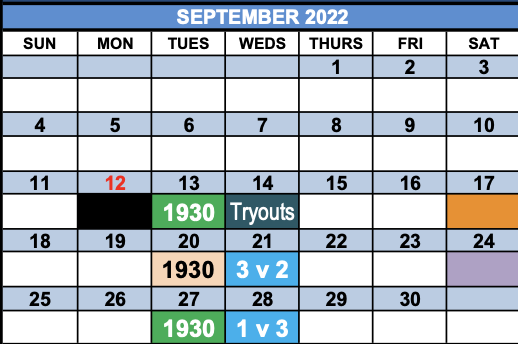
| |
HKWIHL |
| Try Out |
WED, 11 SEP 2024 |
| Team Practice |
TUE, 24 SEP 2024 |
| First Game |
WED, 25 SEP 2024 |
|

















.jpg)
